FRP Grating for marinas

Why Is FRP Marine Decking a Better Fit for Wet, High-Traffic Areas?

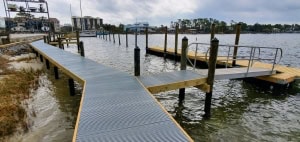
Marine decking has a hard job. It sits in the sun, gets soaked by rain, handles salt spray, and takes daily foot traffic from workers, boaters, carts, tools, and dock equipment. Wood can rot. Steel can rust. Painted surfaces can chip and become slick. That is why more marinas, dock builders, waterfront facilities, and industrial sites are considering FRP grating as a practical decking option. Fibreglass grating is light, strong, slip-resistant, and built for wet environments where corrosion is a constant concern. National Grating supplies FRP products for docks, decks, marinas, boardwalks, and other marine applications, including mini-mesh FRP grating that allows water and air to pass through while providing safe footing.

Why does marine decking need corrosion-resistant grating?

Marine decking needs to withstand wet, salty conditions. Salt water, moisture, and humidity can wear down materials fast. FRP grating will not rust like steel, so docks and marinas can spend less time on repairs, repainting, and replacements. 

In marine areas, decking is almost always dealing with water. Waves splash up from below, rain collects on top, and saltwater leaves a crust behind as it dries. If the material is not designed for that kind of wear, it will break down sooner. 

People often compare FRP grating and steel grating for this exact reason. Steel is strong, but it usually needs paint, galvanizing, or another coating to help stop rust. If that protective layer gets scratched, rust can begin to form. Fibreglass grating panels differ in that their corrosion resistance is inherent to the material. 

For marinas, piers, floating docks, boat slips, ramps, and service platforms, that matters. Less rust means fewer sharp edges, fewer weak spots, and less time spent fixing problem areas. 

How does fibreglass grating improve safety on docks?
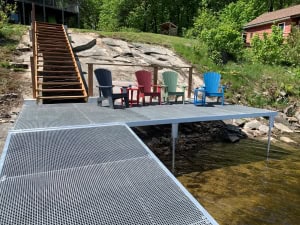
grating for marinas and decks

Fibreglass grating improves dock safety by providing a more stable walking surface in wet conditions. Anti-slip fibreglass grating can help reduce slips on docks, ramps, walkways, and marine work platforms.

Wet wood can get slick. Smooth metal can be dangerous when rain, algae, fish residue, or fuel mist are present. Dock grating needs to give boots and shoes something to grip.

Many FRP grating products feature a grit surface. That added texture improves traction without requiring loose mats or temporary coatings. Mini mesh fibreglass grating can also be useful where smaller openings are preferred, such as pedestrian docks, public walkways, and areas where carts or small wheeled vehicles may pass over the surface.

Good decking does not just hold weight. It helps people move with confidence.

Why is FRP grating a good choice for busy marinas?

FRP grating is a good choice for busy marinas because it handles foot traffic, weather, and moisture without the weight and rust concerns of steel. It works well for dock grating, ramps, platforms, and access walkways.

A marina deck sees more than casual walking. It may need to support dock carts, maintenance staff, coolers, fuel equipment, hoses, storage bins, and service crews. Heavy-duty fibreglass grating can be selected for higher load needs when the span and support layout require it.

Near water, the right grating needs to do more than fit the opening. Load and span tables help you choose the proper thickness, mesh style, support spacing, and strength for the job. 

How does FRP grating weight help with installation?

The FRP grating’s weight is an advantage, as fibreglass panels are typically lighter than steel grating panels. That can make shipping, lifting, cutting, and dock installation easier for contractors and maintenance teams.

A lighter deck panel can make a big difference on the job site. It is easier for crews to carry, position, and install, especially when they are working over water or around boats. 

The weight of FRP grating per square meter depends on the panel style, thickness, resin, and mesh. Still, many teams choose fibreglass decking because it is easier to move than heavy steel sections. That can be useful for new builds, dock repairs, seasonal upgrades, and remote waterfront sites.

What other FRP materials can support a marine decking project?
FRP grating for marinas and decks

Other FRP materials can support marine decking by adding structure, framing, handrails, and equipment support. Options may include fibreglass beams, fibreglass square tube, FRP tubing, and pultruded fibreglass structural shapes.

Some dock and platform projects need more than deck panels. They may also need corrosion resistant structural framing, fibreglass structural framing systems, FRP platform systems, or prefabricated FRP platforms. National Grating notes that, in addition to FRP floor grates, it also carries structural FRP products, including plates, decking, beams, angles, and tubes for handrail systems.

These materials can help create full marine access systems, not just walking surfaces. They are useful for platforms, catwalks, mezzanine areas, equipment frames, and waterfront maintenance zones.

Ready to choose marine decking that can handle wet conditions?

If you are planning a dock, marina, boardwalk, access platform, or waterfront repair, FRP grating is worth a close look. National Grating can help you compare molded fibreglass grating, pultruded fibreglass grating, mini-mesh fibreglass grating, heavy-duty fibreglass grating, and FRP structural shapes for your project. Contact National Grating today to request a quote and find the right marine decking for your site.

FAQ

Is FRP marine decking comfortable to walk on?

Yes. FRP marine decking can be comfortable for everyday foot traffic when the right mesh and surface are chosen. Mini mesh fibreglass grating is a good option for walking areas because the smaller openings feel steadier underfoot. 

Can fibreglass grating be cut to fit around dock posts?

Yes. Fibreglass grating panels can often be cut to fit around posts, cleats, rails, pipes, and dock edges. Use the proper tools, safety gear, and sealing practices as recommended by the supplier.

Is fire-retardant fibreglass grating available?

Yes. Fire retardant fibreglass grating is available for projects where fire performance matters. Before ordering, buyers should check the resin type, required rating, and project specs. 

What is the difference between molded and pultruded FRP grating?

Molded FRP grating is a good choice when you need corrosion resistance and multidirectional strength. Pultruded FRP grating is better for longer spans or heavier loads. The right option depends on the deck layout and what the grating needs to support. 
chemical and industrial grating

What Makes FRP Grating a Better Fit for Chemical and Industrial Facilities?

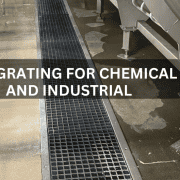
In chemical and industrial settings, materials do not have an easy life. Floors stay wet. Equipment leaks. Washdowns happen regularly. Corrosive exposure is part of the job. That is why facility managers and project teams often move away from traditional steel and toward fibreglass grating. In the right environment, it lasts longer, needs less upkeep, and helps keep walkways and work platforms safer. National Grating supplies FRP grating and structural FRP products across North America, offering a large inventory, strong customer service, and dependable quality.

Why is steel often a problem in chemical and industrial environments?

Steel usually does not hold up as well in wet or chemical-heavy areas, which often means more repairs and more downtime. In many industrial plants, the real problem is not just wear from daily use. It is constant exposure to moisture, chemical splash, and regular washdowns. Steel grating may be fine in a dry part of the facility, but in harsher areas, rust can become a real problem. Once it starts, it can spread, weaken the grating, and turn into more maintenance than people expected. That is why a lot of buyers looking at FRP are thinking about long-term value, not just the upfront cost. 

Why does fibreglass grating make more sense in these spaces?

It resists corrosion, handles moisture well, and is easier to work with during installation. This is where fibreglass grating stands out. It is built for harsh environments where corrosion is a constant issue. It is also lighter than steel, which makes it easier to move, cut, and install on-site. In a busy industrial setting, that matters. Crews do not want a flooring system that turns every repair or replacement into a major job. Corrosion-resistant grating simplifies both installation and long-term maintenance, especially in processing plants, chemical-handling areas, and outdoor industrial sites.

What type of FRP grating is best for industrial use?

grating for chemical and industrial applications

The best choice depends on traffic, spans, and the aggressiveness of the environment. Molded fiberglass grating is often a strong fit for walkways and platforms because it offers good corrosion resistance and dependable grip. In areas with longer spans or loads that are mainly supported in one direction, pultruded fiberglass grating can be the better choice.  In high-use areas, heavy-duty fiberglass grating may be needed to support larger loads and more demanding service conditions. The point is not to choose the most expensive option. It is to match the product to the job.

Why does slip resistance matter so much on plant walkways and platforms?

Wet surfaces, residue, and foot traffic can quickly turn a normal walkway into a hazard. Industrial safety is not only about load capacity. It is also about footing. In chemical and industrial environments, spills, mist, residue, and weather can all affect the walking surface. That is why anti-slip fiberglass grating is such a practical option. In some settings, mini-mesh fiberglass grating also makes sense because it offers a tighter surface that helps with smaller objects, heels, and added foot stability. These details matter on stair treads, elevated platforms, access ways, and service routes where people move all day.

How do resin options affect performance in chemical areas?

The resin helps determine how well the grating withstands the specific environment. Not every industrial site has the same level of exposure. A general manufacturing area may need one level of protection, while a chemical processing zone may require a higher level. That is where vinyl ester fiberglass grating often comes into the conversation. It is commonly chosen for more aggressive corrosive environments. Depending on the application, buyers may also need chemical-resistant or fire-retardant fiberglass grating. Choosing the right resin and surface type is one of the most important factors for achieving long-term performance.

Is FRP only used for floor grating?

FRP is also used for framing, platforms, and support structures throughout industrial facilities. Many buyers start by looking for industrial fiberglass floor grating, but FRP is often part of a larger system. Industrial sites may also use pultruded fibreglass structural shapes, fibreglass square tube, FRP tubing, and fibreglass beams for elevated access systems and support framing. These products can be used in FRP platform systems, fibreglass catwalk systems, and corrosion-resistant structural framing. That makes FRP useful not just for replacing old grating, but for building complete access and support structures in corrosive areas.

Why do inventory and service matter as much as the product itself?

Long lead times and poor support can slow down repairs, shutdowns, and new construction. In industrial work, delays cost money. If a plant is waiting on replacement grating or a platform system, the material supplier matters just as much as the product specs. National Grating has a wide variety of in stock  inventory, excellent customer service, and high-quality products. 

Chemical and industrial sites need materials that can take real abuse and still do their job safely. Fibreglass grating gives facilities a practical option for corrosive areas, wet walkways, elevated platforms, and structural systems that need to last. If you are planning a new build, retrofit, or replacement project, contact National Grating to find the right FRP grating and structural products for your site.

FAQs

Can fibreglass grating be cut to fit around pipes and equipment?

Yes. It can be fabricated to fit around existing layouts, making it useful for retrofit work and in tight industrial spaces.

Is FRP grating a good choice for outdoor industrial platforms?

Yes. It is often used outdoors because it resists corrosion and performs better in wet conditions than many traditional materials.

What is the difference between molded and pultruded grating?

Molded grating is often used for general industrial walkways and corrosive areas, while pultruded grating is commonly chosen when longer spans or directional strength are needed.

Can FRP structural products replace some steel framing in corrosive environments?

In many cases, yes. FRP structural shapes are often used where corrosion resistance, lighter weight, and lower maintenance are important.


national grating frp stair

Fiberglass FRP Stair Tread Covers Revitalize Old Stairs

metal stairs
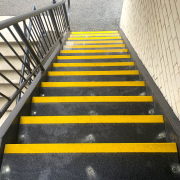
Before: These unsightly metal stairs needed improvement. FRP Stair Tread Covers were the perfect solution!

Fiberglass FRP Stair Tread Covers easily install over existing metal, wood or concrete stairs to instantly improve safety, usability, visibility, and aesthetics.

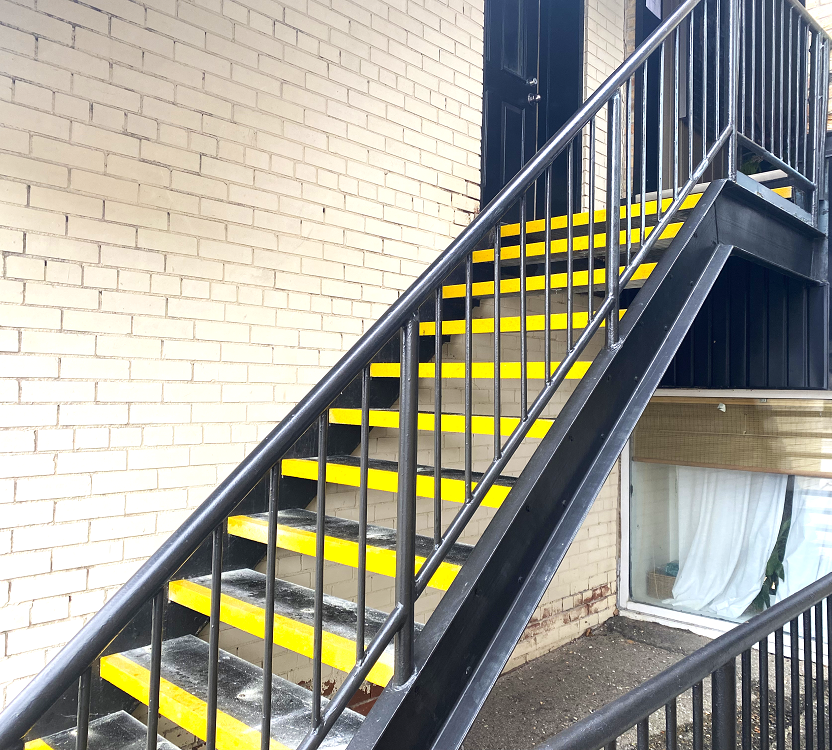
National Grating recently assisted a small business in Ontario to revitalize their old steps with Fiberglass FRP Stair Tread Covers.  The outdoor staircase provides access to the Yoga Studio on the second level of the building.  The old stairs were rusting and becoming unsightly and hazardous.  Fiberglass FRP Stair Tread Covers were easily installed over the existing metal stairs.

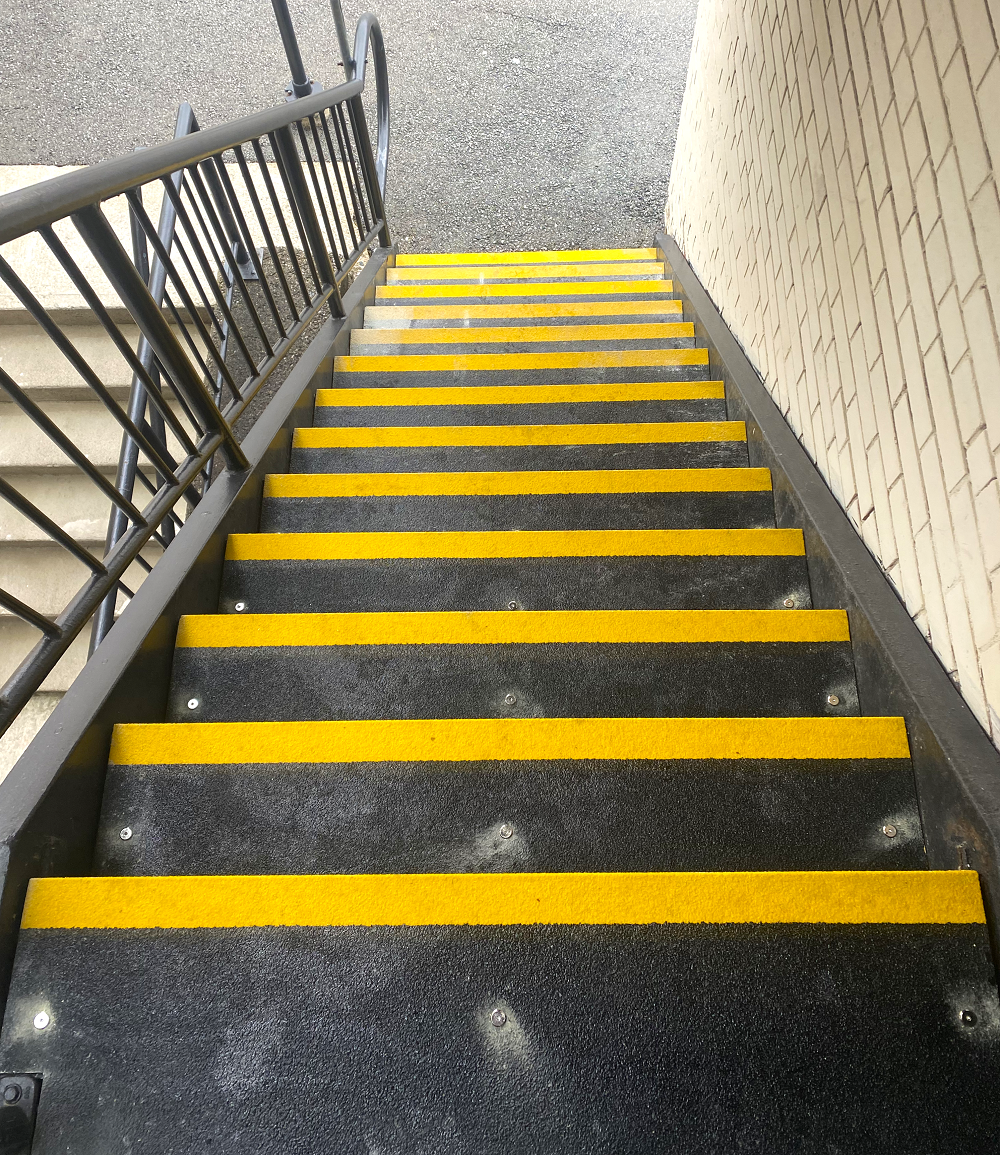
Entrances are the first impression for customers approaching your business.  The unsightly stairs leading to the Yoga Studio not only provide access to clients, but they are also the first thing people see before they enter the business and the last thing they see when they leave. The rusting, old stairs looked terrible and presented a bad first impression for clients. The Yoga Studio decided it was time for an update!  New National Grating Fiberglass Stair Treads cover up old stairs without need for a new rebuild, while providing added safety through bright yellow nosing and a grippy anti slip coating. 

People use FRP (fiberglass reinforced plastic) stair tread covers for several reasons, including safety, durability, and ease of installation. FRP stair tread covers are known for their non-slip properties, which enhance safety on stairs. They are lightweight, making them easy to install, and fiberglass-reinforced plastic is durable and resistant to corrosion, making it a suitable material for enhancing stair safety.

metal stairs
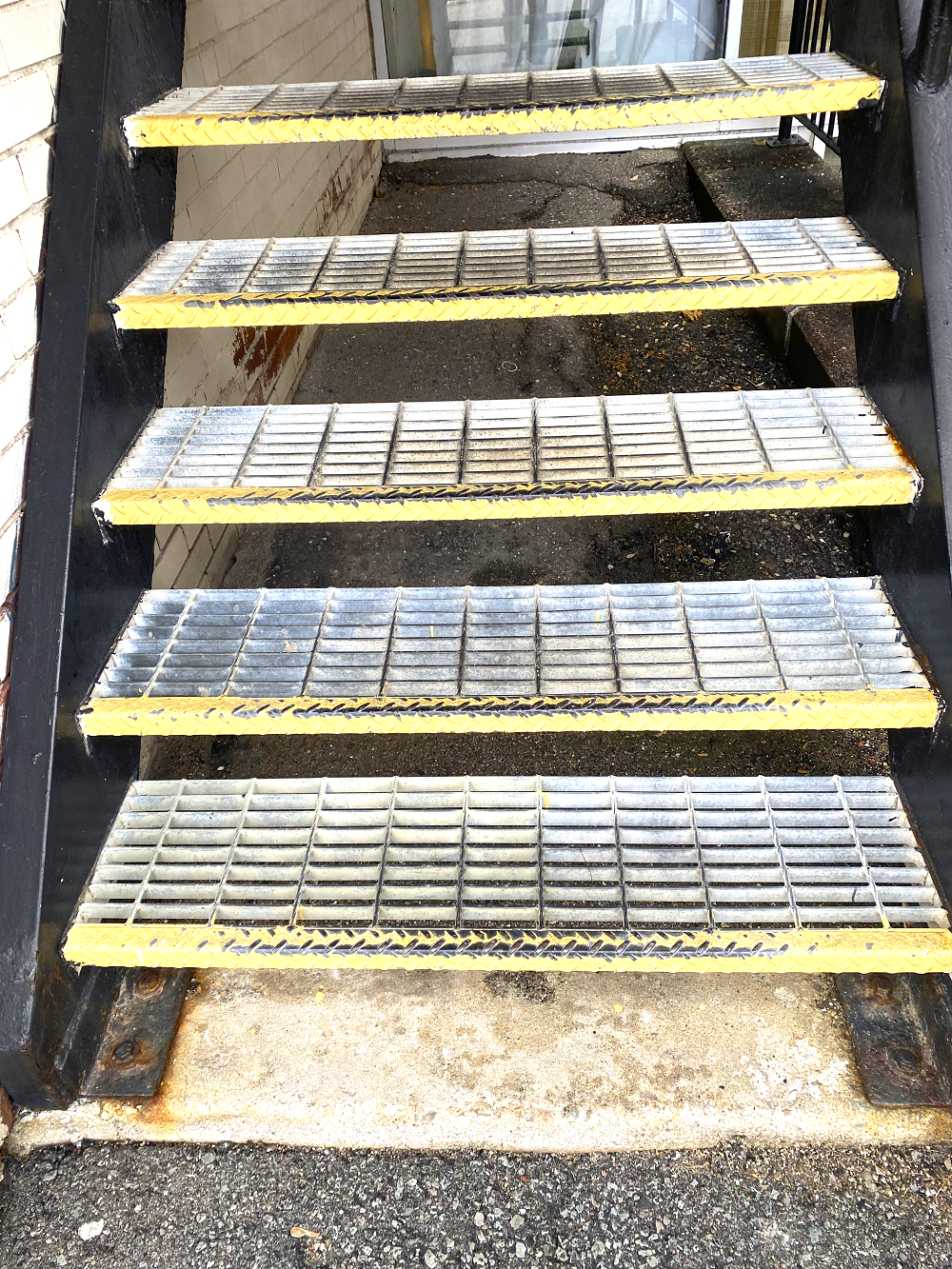
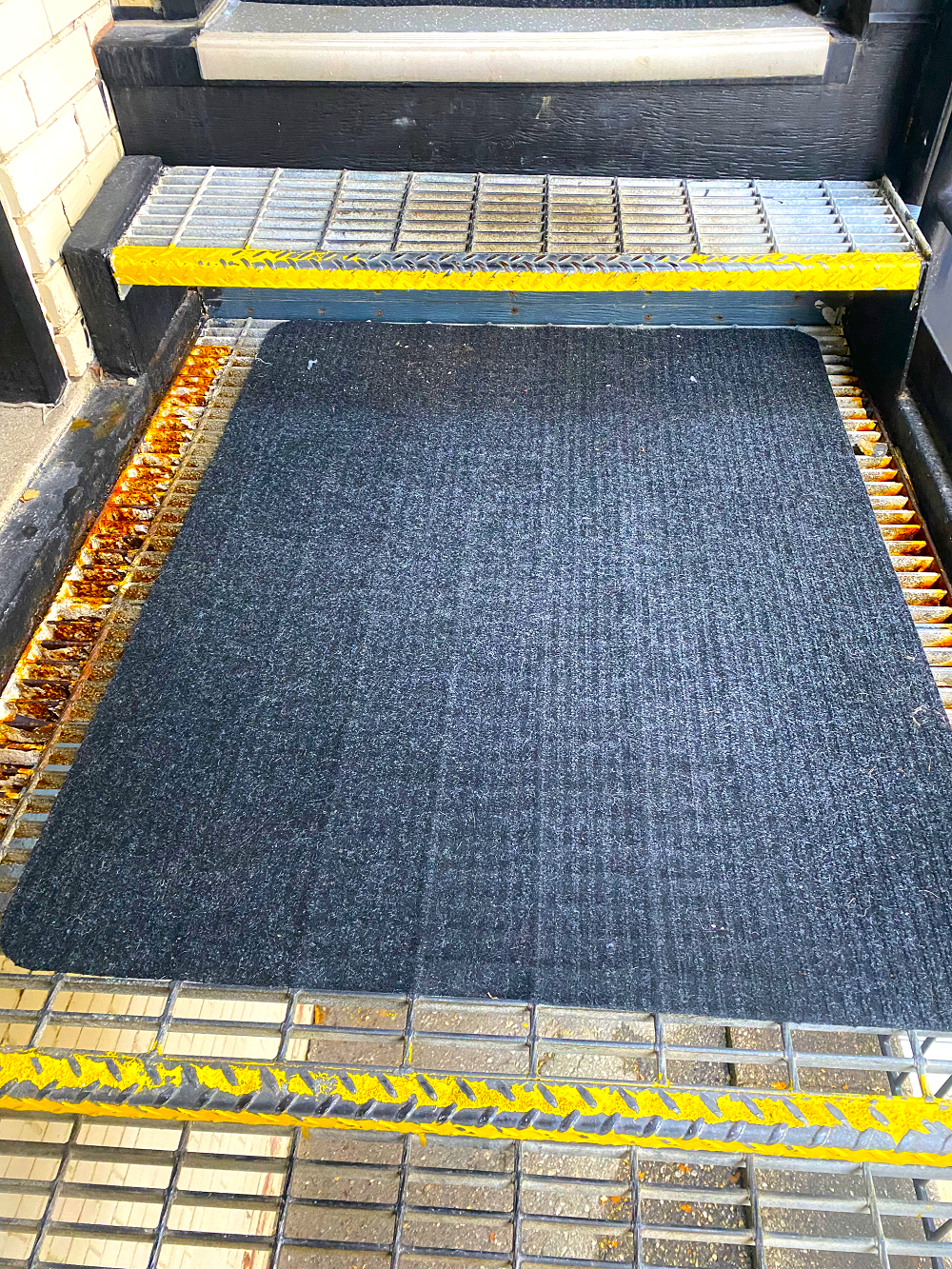
Before: Outdoor Metal Grating staircases rust and corrode. FRP Plate is another perfect solution to cover up unsightly metal with a grippy top.

Fiberglass FRP Stair tread covers from National Grating have been widely installed over metal, wooden, and concrete stairs with ease.

FRP Stair Tread Cover Benefits

The benefits of using FRP (fiberglass reinforced plastic) stair tread covers over traditional materials include:

  • Safety: FRP stair tread covers are known for their non-slip properties, which enhance safety on stairs.
  • Durability: Fiberglass-reinforced plastic is durable and resistant to corrosion, making it a suitable material for enhancing industrial stair safety.
  • Ease of Installation: FRP stair tread covers are lightweight, making them easy to install.
  • Versatility: They can be used on various surfaces such as step ladders, concrete, wood, and metal stairwells.
  • Cost-Effectiveness: They can cover worn-out or outdated steps, saving money by avoiding the need for expensive rebuilds.
national grating frp stair treads
Fiberglass FRP Stair Tread Covers create a beautiful finished product.

Overall, the use of Fiberglass stair tread covers offers advantages in terms of safety, durability, ease of installation, versatility, and cost-effectiveness compared to traditional materials.

FRP Stair Tread Cover Applications

FRP (fiberglass reinforced plastic) stair tread covers have various applications due to their beneficial properties. Some of the common applications include:

  • Interior and Exterior Use: FRP stair tread covers are suitable for both interior and exterior applications, making them versatile for use in different settings.
  • Industrial Settings: They are used in industrial settings to enhance safety on stairs, walkways, and platforms, especially in heavy traffic areas where anti-slip surfaces are essential.
  • Outdoor Walkways: FRP stair tread covers are ideal for outdoor walkways due to their anti-slip surfaces, providing an important safety feature in areas with heavy foot traffic.
  • Various Substrates: They can be used on a variety of substrates such as concrete, wood, stone, metal, and brick stairs, making them suitable for different types of stairwells.
  • Safety Enhancement: These covers are designed to reduce accidents caused by slips and falls, making them a practical and affordable solution for protecting steps.
national grating frp solutions
Fiberglass FRP Stair Tread Covers are attractive and functional.

FRP stair tread covers are widely used in industrial, outdoor, and indoor settings to improve safety, protect steps, and provide anti-slip surfaces on various substrates.

How to Install FRP Stair Tread Covers

To install FRP (fiberglass reinforced plastic) stair tread covers over metal stairs, the following general steps can be followed:

  • Contact National Grating to speak with an experienced individual to help you make the best decision. 
  • Measure: Take measurements of the stair treads so the National Grating fabrication team can size your stair tread covers for a perfect fit.  Assess how many stair tread covers you require.
  • Preparation: Ensure that the metal stairs are clean, dry, and free from any debris or protrusions that could affect the installation.
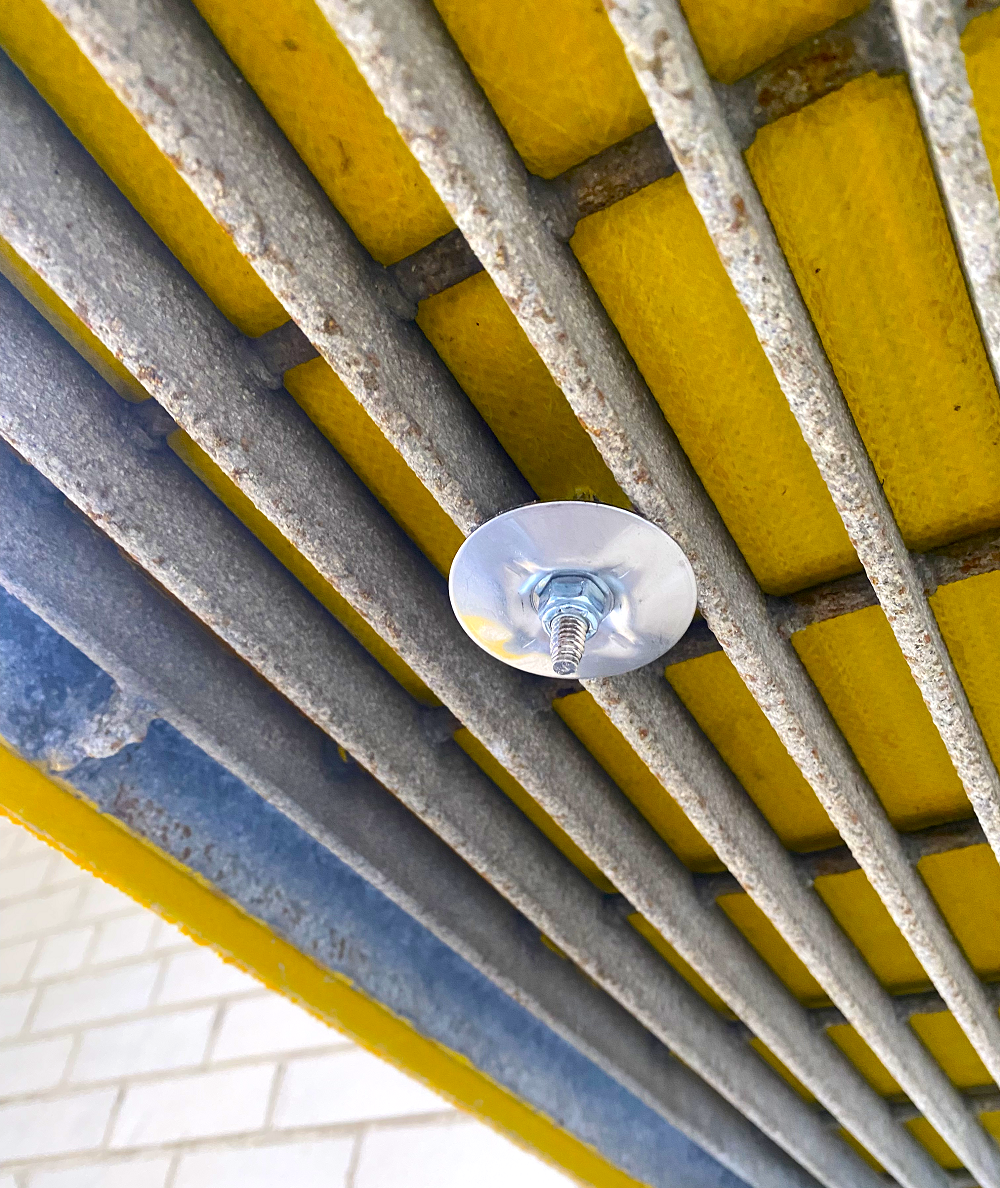
  • Attachment: Use stainless steel or zinc plated saddle clips and domed or flat head bolts suitable in length for the depth of the FRP tread covers. Pre-drill the FRP to the proper hole size for the screws being used.
  • Installation: Pre-position the FRP covers in place to ensure the fit, then install screws about 6 inches from the ends of the piece, and additional screws every 2 feet as needed.
how to install fiberglass frp stair tread covers
A large washer with a nut and bolt is used here to securely hold the FRP Stair Tread to the existing metal step.

Once installed, ensure that the covers are securely and firmly attached and provide a non-slip surface for safe use before opening to the public.

how to install frp fiberglass stairs
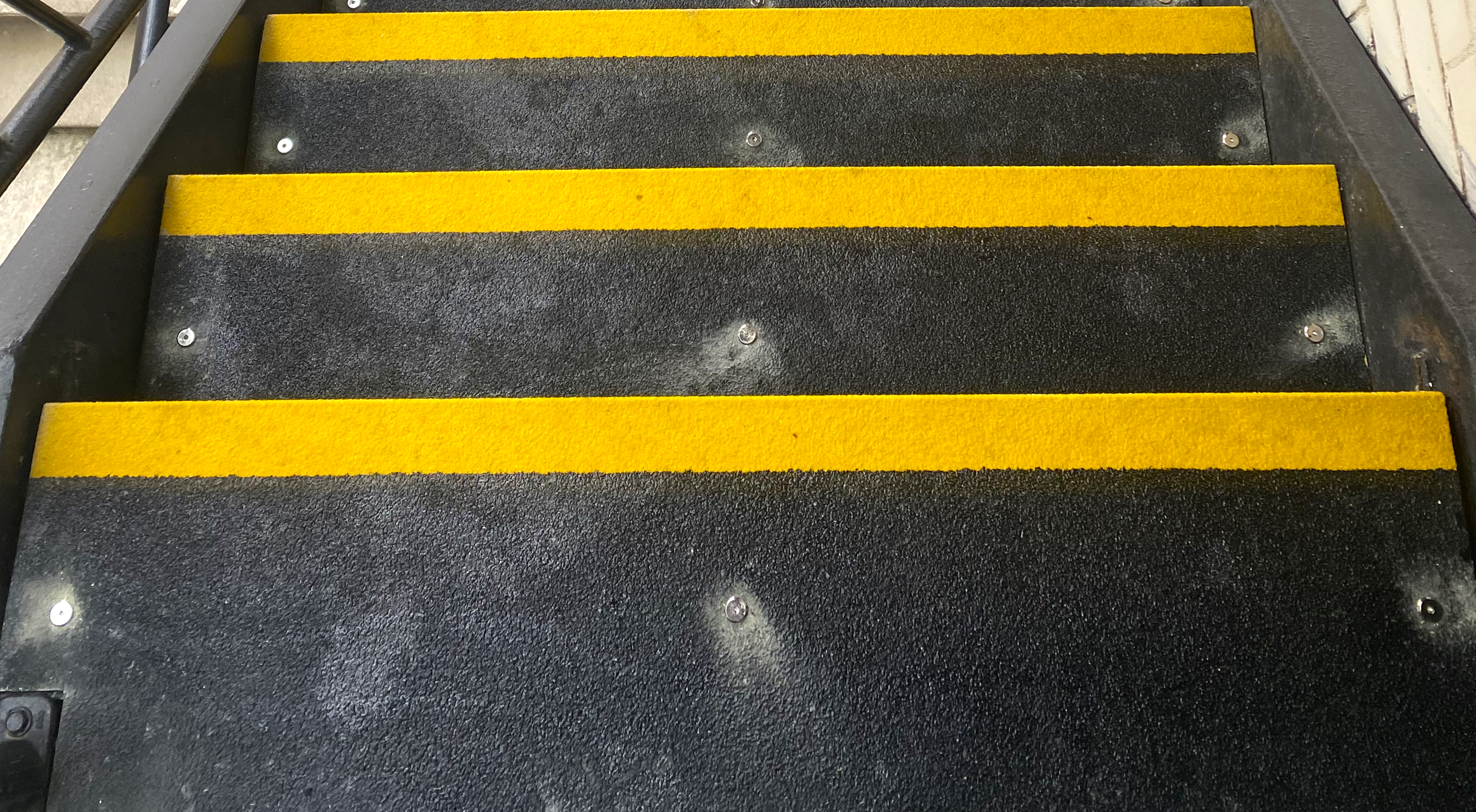
Above the stair treads a flat head bolt is used to create a flat walking surface.


Other Fiberglass FRP Stair Options from National Grating

Fiberglass FRP Stair Treads

fiberglass frp stair tread
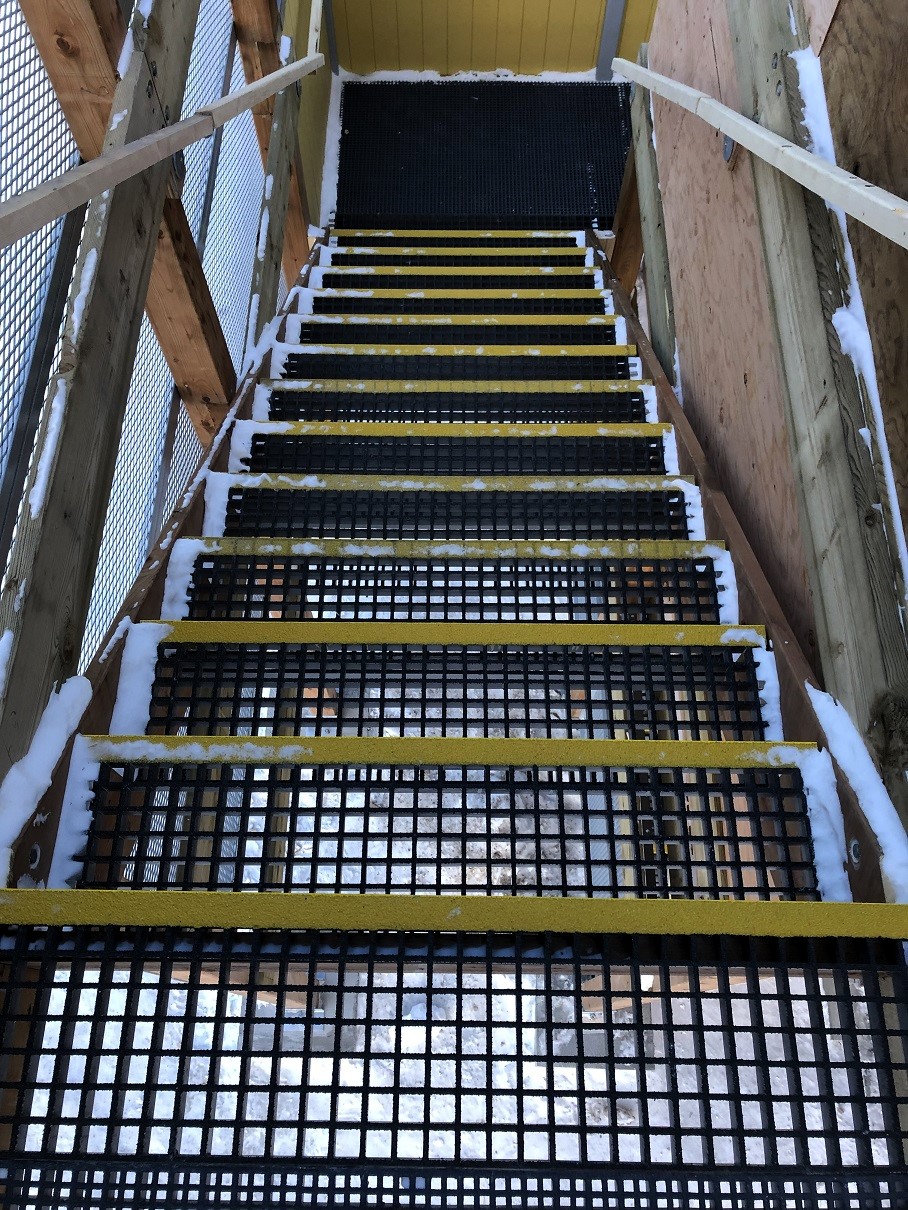
Fiberglass FRP Stair Treads are made from molded FRP with a heavy duty nosing section that can be marked yellow for added safety. The grated design is perfect for outdoor application as water, ice and snow simply falls through for no buildup or maintenance

National Grating also has full FRP Molded Stair Treads for situations when the existing stair needs to be replaced or for new staircase construction. 

Fiberglass stairs are the best solution for outdoor anti-slip stairs. They outlast traditional building materials and are easy to install. Stair treads made of FRP grating are lightweight, easy to fabricate, and highly durable.

Fiberglass stair treads are available as molded FRP treads with yellow nosings and a gritted top surface for all weather grip, for the ultimate in safety. Non-slip stair treads are corrosion resistant and lightweight.

Fiberglass stairs can be fabricated from fiberglass grating, which opens up the options enormously for color, resin, grit, mesh size, and whether molded fiberglass grating or pultruded FRP grating is more suitable.

Fiberglass FRP Railing

Fiberglass Railing Systems are a natural accompaniment to fiberglass stairs for corrosive environments – all components will outlast and outperform steel, stainless steel, wood, or other traditional materials.

FRP railing is non-conductive and in cold environments does not become cold to the touch like metal.

Fiberglass FRP Plate

FRP Plate for stairs walkways
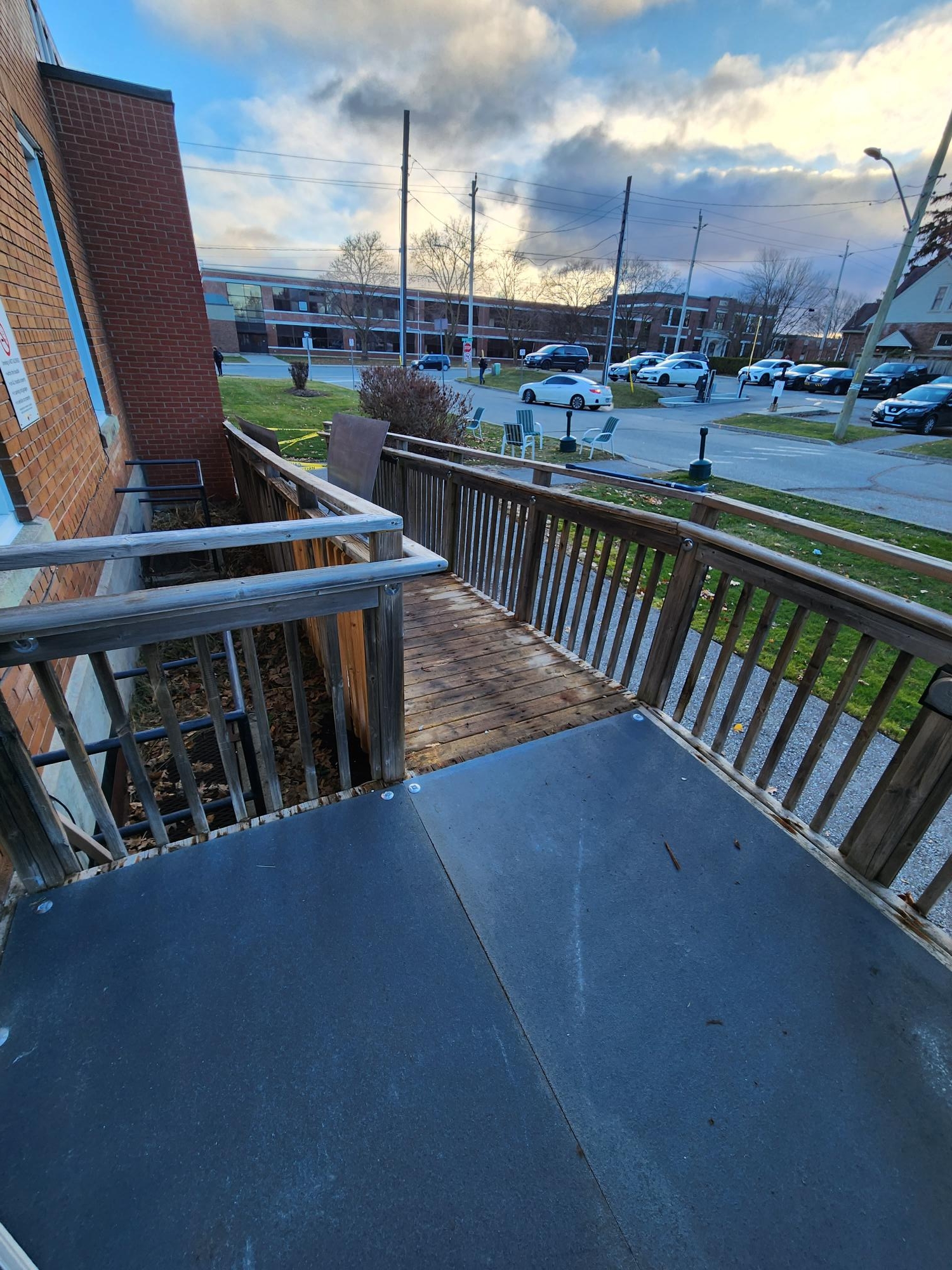
FRP Plate can be easily fitted over old metal or steel stairs and walkways to provide a solid, grippy surface.

Fiberglass Plate is a large sheet of FRP that comes in a variety of colors with an anti slip, grippy coating. FRP plate is perfect to cover unsightly landings and platforms with a solid anti slip surface.

FRP Plate comes in thicknesses ranging from 1/8″ to 3/4″ and various resin systems. Plate can be installed on fiberglass grating, metal or concrete, for heavy loads and complete flooring system with all the benefits of fiberglass reinforced panels.

National Grating Customer Service

National Grating prides itself on providing exceptional customer service to all customers, big and small.

Reach out to us today for your next FRP Project!

Sales@NationalGrating.com / 1-844-599-0260